Exploring the intersection of lifestyle, nutrients, and physiological well-being for the modern man.
Maintaining physiological balance requires a holistic approach. We explore the foundational pillars that contribute to a vibrant lifestyle, focusing on how internal systems interact with external environments.
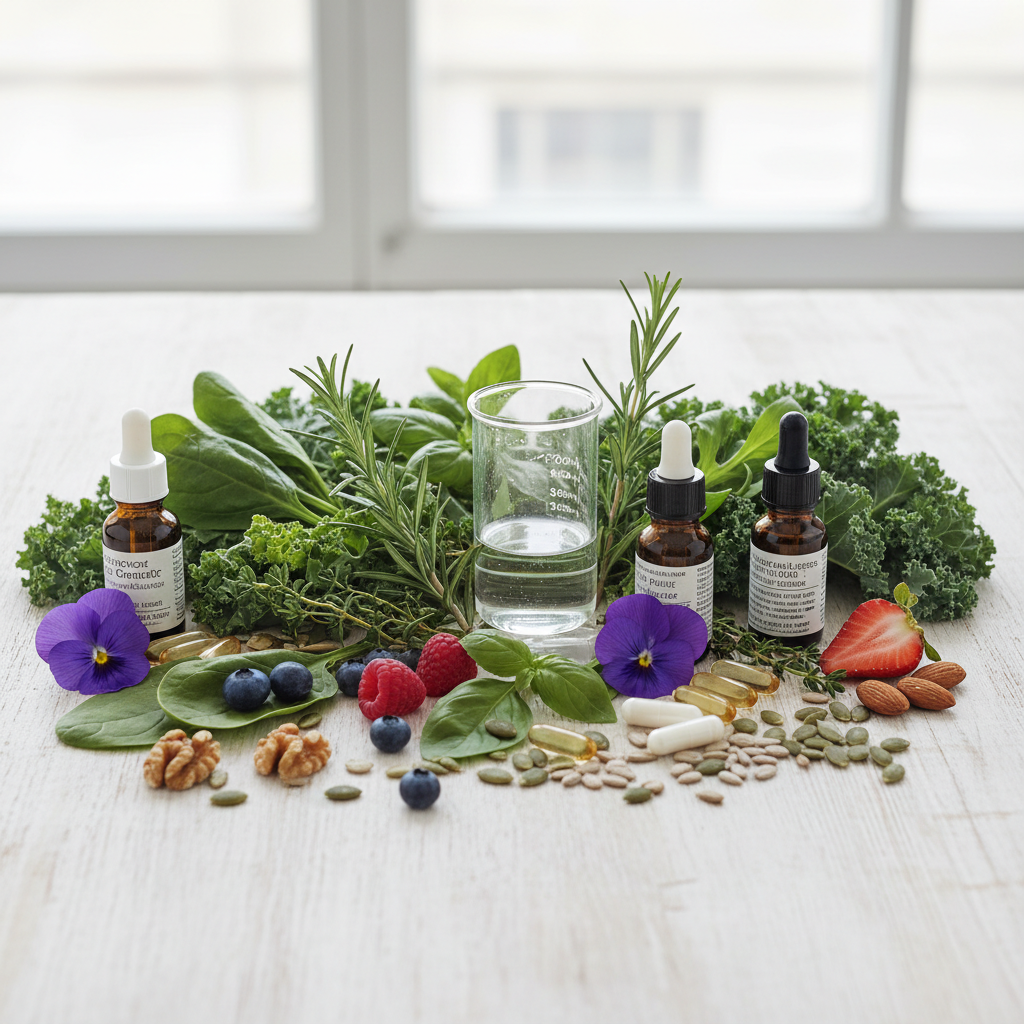
Exploring how plant-based extracts support natural metabolic processes and cellular health.
The significance of magnesium, zinc, and selenium in maintaining enzymatic functions.
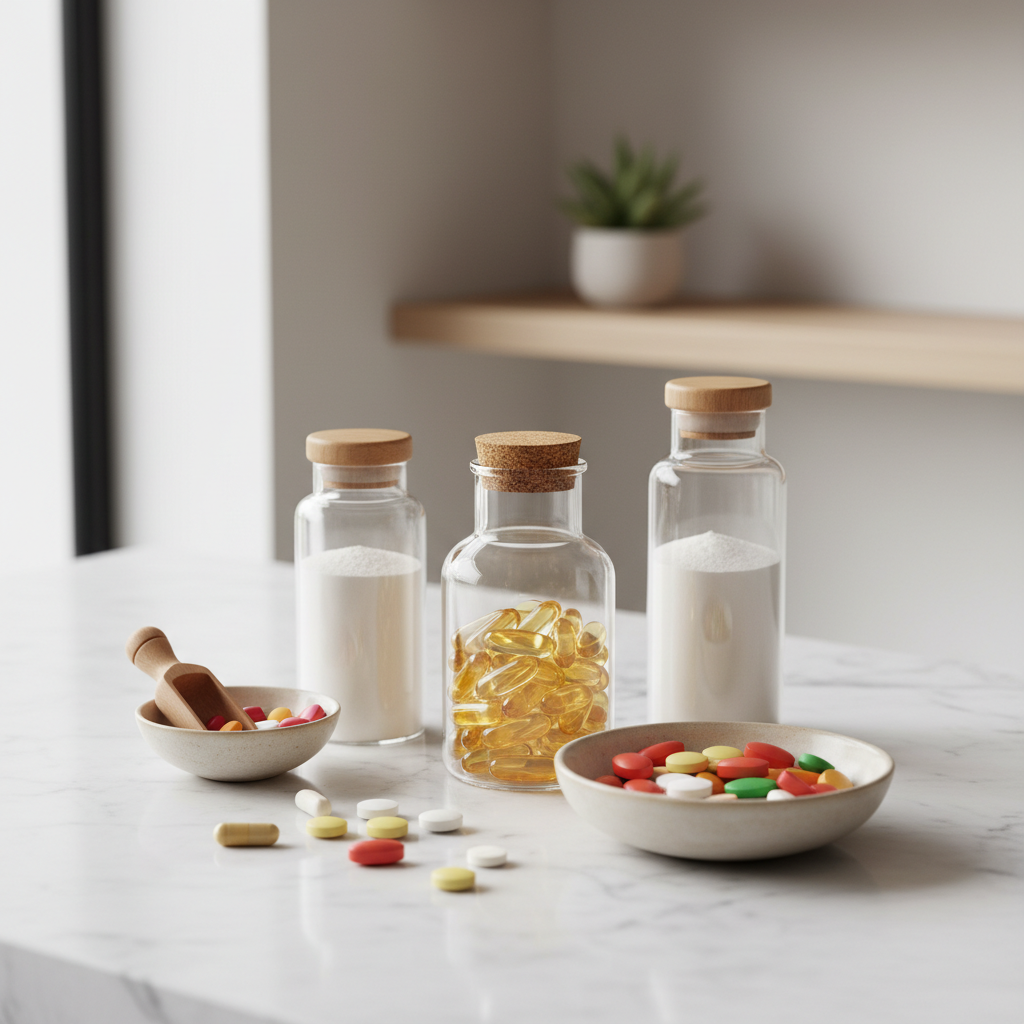
How fat-soluble vitamins contribute to structural maintenance and immune resilience.

Physical activity is not just about performance; it's about maintaining the fluidity of the human frame. We discuss the importance of joint mobility and the role of collagen-supporting nutrients in preserving flexibility.
Natural movement patterns, from walking to functional stretching, serve as the primary catalyst for nutrient distribution throughout the body's connective tissues.
Simple respiratory techniques to modulate the nervous system and reduce oxidative stress markers.
Developing focus through environmental awareness, supporting cognitive longevity.
Understanding the role of light and timing in regulating physiological cycles.
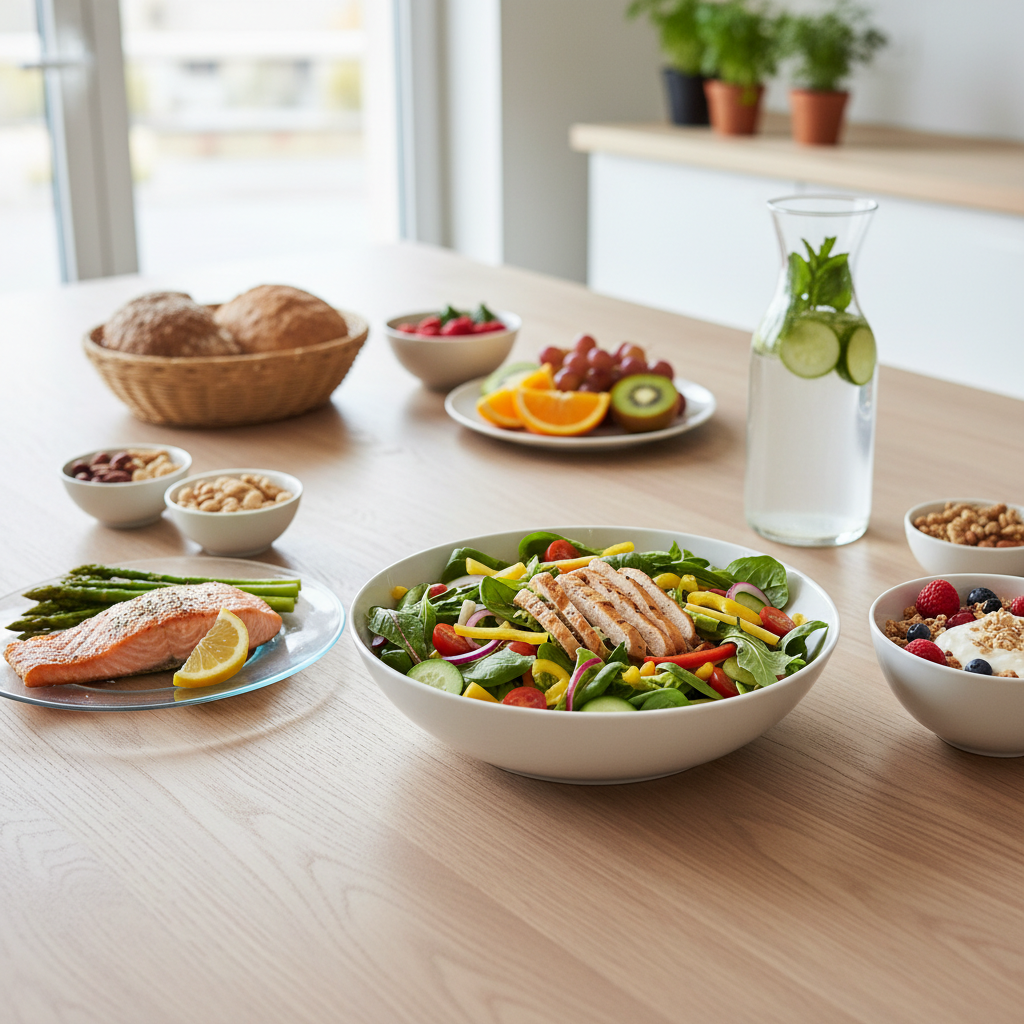
Energy management is a byproduct of efficient nutrient partitioning. A balanced intake of complex carbohydrates, lean proteins, and healthy fats provides the fuel necessary for daily physiological demands.
In an era of information overflow, critical thinking is essential. We provide a framework for understanding natural adjuncts without the hype. This section explores how to evaluate ingredients based on their historical use and modern descriptive analysis.
Always consider the source of information. Our goal is to provide a structured context for your personal exploration of well-being.
Deepen your understanding of physiological balance today.
Explore ConceptsThe materials provided on this page are for educational purposes only. They do not constitute medical advice or individual recommendations. Every individual has unique physiological needs, and general information should not replace personal professional guidance.